


Secrets of Ciutat Vella: Heritage That is Easy to Miss


When we hear about Valencia, our imagination most often draws the futuristic curves of the City of Arts and Sciences, wide golden beaches, or bustling squares serving the best paella. However, behind this bright, sunny facade lies a completely different city—quiet, ancient, and full of secrets that reveal themselves only to those willing to step off the beaten tourist paths.
Ciutat Vella, the historical center of the city, is a true architectural treasure trove. But while the Cathedral or the Gothic Silk Exchange (La Lonja de la Seda) are always in the spotlight, countless other priceless testimonies of history remain "invisible" to passersby. It is time to learn how to "read" the hidden heritage of Valencia, hiding right before our eyes.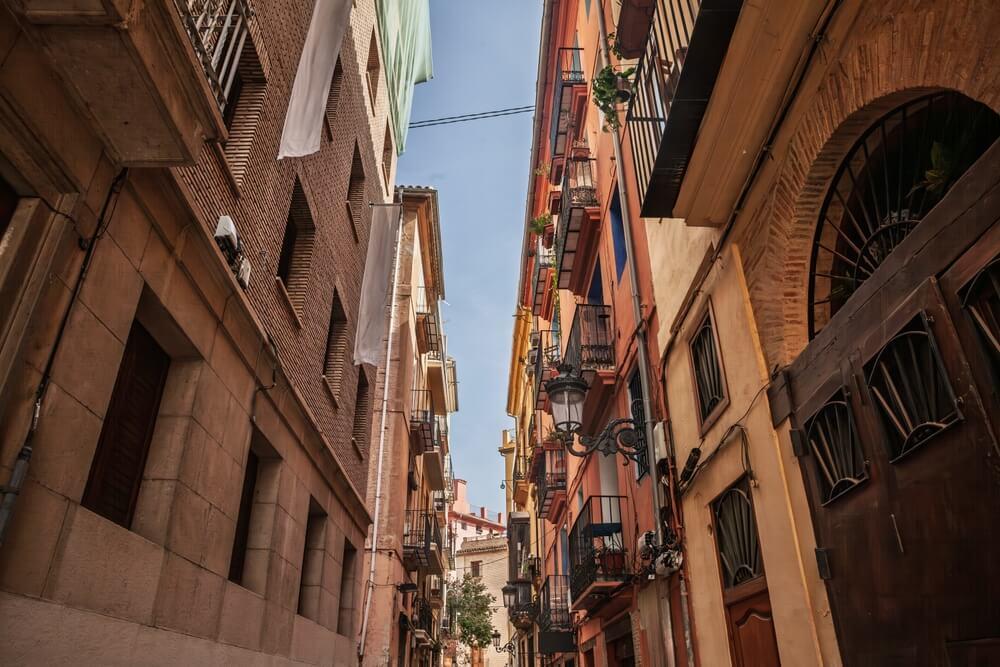
Lost Gates and Invisible Borders
Today we walk through the city center, moving from one neighborhood to another, feeling no obstacles. But this was not always the case. For centuries, Valencia was a fortress city squeezed into a ring of powerful defensive walls. Initially, it was an Islamic wall of the 11th century, and later—an even more massive Christian fortress of the 14th century. In 1865, yielding to the demands of progress and the need to expand the metropolis, the city authorities decided to demolish most of the walls.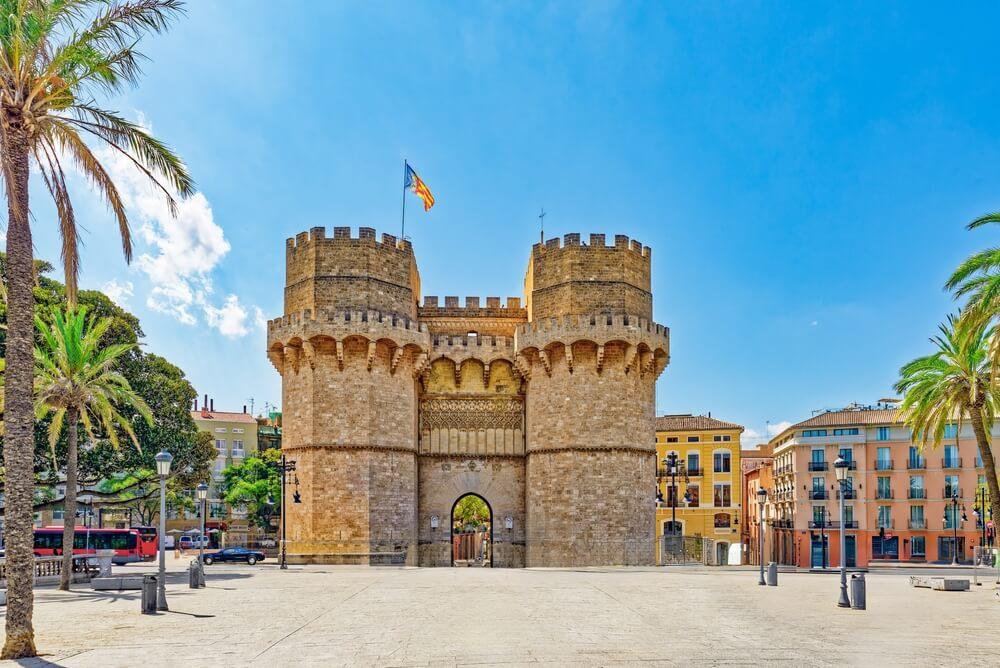
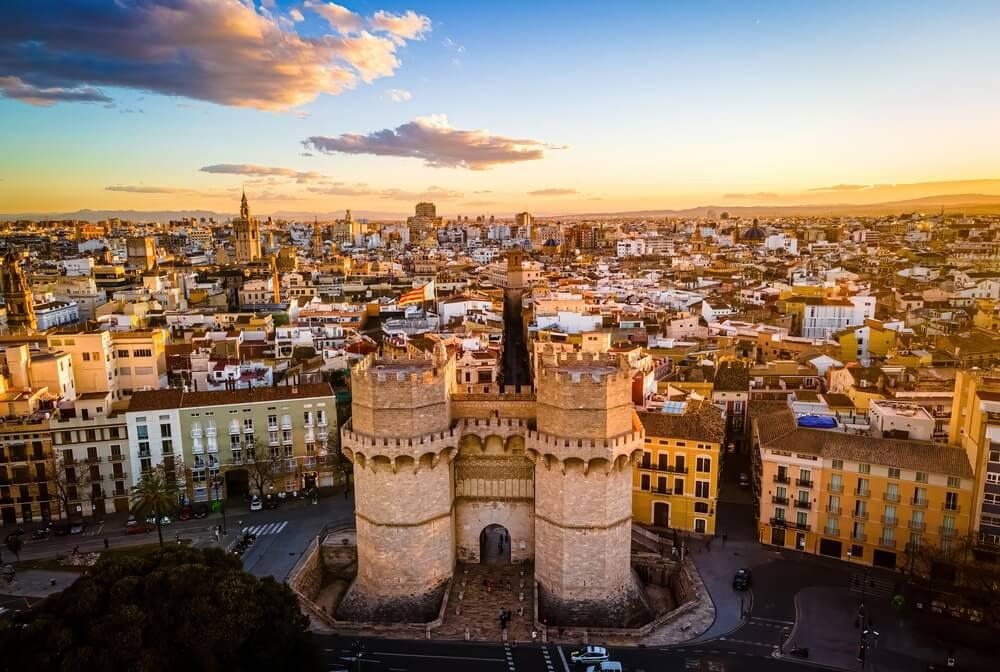
Tourists well know the majestic Torres de Serranos and Torres de Quart, which miraculously survived during those radical reconstructions. But this is just a drop in the ocean of urban heritage. Dozens of other gates, which once served as customs posts, defensive bastions, or grand entrances, disappeared from the cityscape forever. All that remains are names on ancient maps, barely noticeable traces of foundations on the paving stones, or solitary arches, such as the Portal de la Valldigna, which once separated the Christian city from the Moorish quarter. To understand the geography of the old city and find out exactly where these historical entrances were located and what role they played, we recommend reading the article about the forgotten gates of Valencia.
A Medieval Labyrinth That Survived the Centuries
Another aspect of the heritage that we literally trample underfoot, but rarely comprehend, is the very geometry of the streets. If you have ever gotten lost in the El Carmen neighborhood, you should know: it's not your navigator's fault, but a direct consequence of the medieval layout that has survived to this day.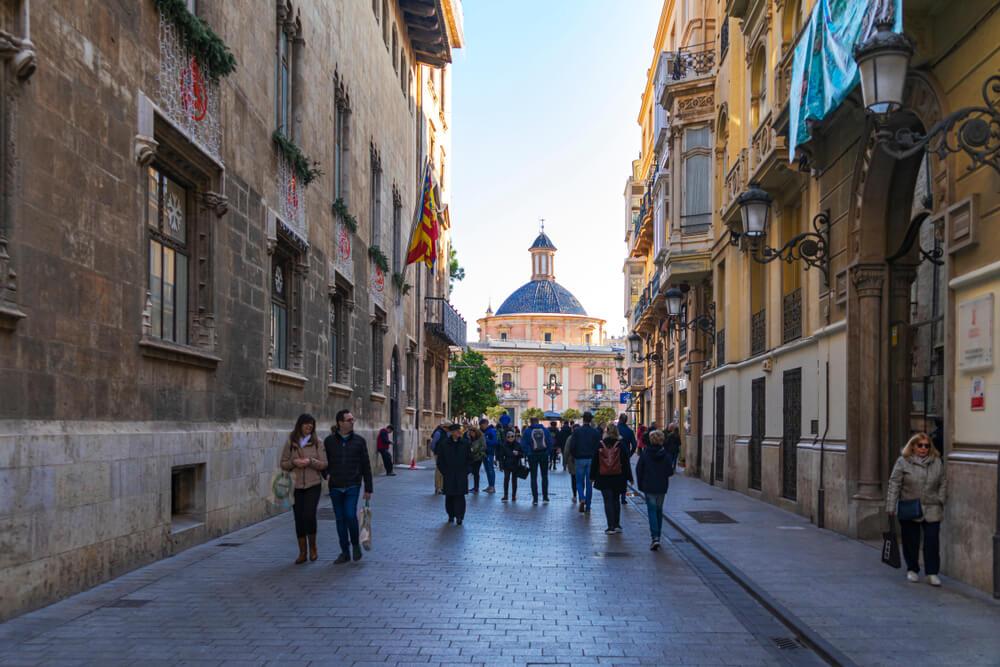
Unlike the straight, perpendicular streets of the modern Eixample district, old Valencia preserved the Arabic and early Christian approaches to urban planning. These are narrow, tangled alleys that suddenly end in dead ends (so-called atzucacs), and tiny hidden squares where artisan guilds once gathered. Even street names—such as Carrer dels Boters (Coopers' Street) or Carrer de Cavallers (Knights' Street)—are living witnesses of an era when each block lived its own separate, enclosed life. Architectural styles overlap here, and remnants of Roman eras are integrated right into the walls of ordinary residential buildings. You will find more details on how to spot these artifacts in everyday urban space in the article about how medieval Valencia still survives in the streets of the city.
Details Hidden in Plain Sight
To see the true, unedited heritage of Valencia, you do not need to buy museum tickets—sometimes it is enough just to change your focus during a walk. Pay attention to the following things:
Inner Courtyards (Patios): Behind the heavy wooden gates of many palazzos in the La Seu neighborhood lie magnificent Gothic courtyards with ancient wells and wide stone stairs leading to the true first floors of noble families.
Ceramics and Tiles: The facades and entrances of many houses are decorated with traditional Valencian ceramics (socarrat), which for centuries served not only as decoration but also as a means of communication, telling about the professions of the building's residents.
Gargoyles and Bas-Reliefs: If you take your eyes off the shop windows and look up to the level of the second or third floors of old buildings, you can spot bizarre stone creatures, family crests, and religious symbols "watching" the townspeople from above.
Valencia is a city that does not give away all its secrets at once. It requires unhurriedness and attentiveness from the traveler. The next time you order a coffee in a small square or pass through an arch that seemingly leads nowhere, pause for a moment. Perhaps right now you are touching centuries-old history that everyone else simply walked past.


ABOUT Torodoro
FOR BUSINESS
FIND US ON SOCIAL
AVAILABLE LANGUAGES

