


How to Get Around Valencia Without a Car and Spend Less


Valencia is a city where it is entirely possible to get by without owning a car. Public transport covers most urban areas, many popular destinations are within walking distance, and the cycling infrastructure makes it easy to get around the city without spending money on fuel or parking. However, how much you can save with each transport option depends on the distance, how often you travel and how effectively you combine different modes of transport.
Metro and Trams: Fast Connections Between Neighbourhoods
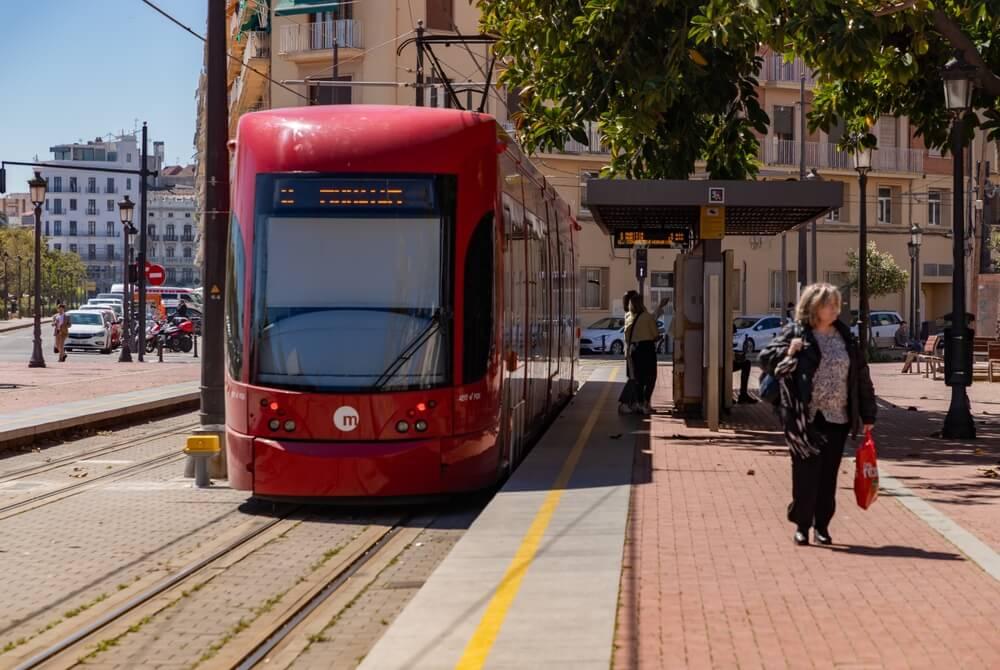
The Metrovalencia metro and tram networks form a single transport system covering Valencia and some of the surrounding towns. This is one of the most convenient ways to travel between distant neighbourhoods, especially when your route passes through the city centre or involves covering a considerable distance.
The metro is particularly useful for regular commutes to work, educational institutions and other parts of the city. Unlike buses, it is not affected by road traffic, making journey times generally easier to predict.
Tram routes complement the underground network. They are especially convenient for reaching the university district, neighbourhoods in the north of the city and the coast. Before choosing a route, it is worth checking where the nearest stop is located: sometimes the tram can take you directly to your destination, while travelling by metro may require an additional bus journey.
Another advantage of Metrovalencia is its connection to the airport. Lines 3 and 5 allow you to travel from the airport to the city without having to take a taxi. However, you should bear in mind that the airport belongs to a different fare zone: a standard ticket for urban journeys may not cover the entire route.
EMT Buses: For Routes Without Convenient Metro Connections
EMT city buses serve neighbourhoods that are not always easy to reach by metro. They provide access to specific streets, residential areas, parks, shopping districts and other places located away from metro stations.
The main advantage of buses is the extensive network of routes and stops. For example, if the nearest metro station is several blocks away from your destination, taking a bus may be more convenient even when the overall distance is relatively short.
However, traffic conditions should be taken into account. During rush hour, buses can be delayed by congestion, so the metro is a more reliable option when you need to arrive at a specific time.
If you use buses regularly, it is worth considering the Bonobús, a multi-journey EMT ticket. If your journeys involve both buses and the metro, the integrated SUMA ticket system may be a better choice.
SUMA: One Ticket for Different Modes of Transport
The SUMA system allows you to use several forms of public transport with a single ticket. Depending on the fare selected, it is valid on Metrovalencia, EMT buses, MetroBus regional buses and Cercanías Renfe commuter trains.
This is particularly cost-effective when your journey involves transfers. For example, you can take a city bus to a metro station, continue your journey underground and then catch another bus. You do not need to purchase a separate ticket for each leg of the journey, provided all trips comply with the conditions of your chosen fare.
As of November, temporary discounted fares remain in effect and have been extended until 31 December 2026. For journeys within Zone A, a SUMA 10 ticket covering ten journeys costs €5.40, while the monthly SUMA pass costs €21. This represents a 40% saving compared with standard fares without the temporary discount.
Young people aged 14 to 30 who hold a Carnet Jove are eligible for a separate monthly fare: Móbilis30 / SUMA Mensual Jove. Its temporary price in Zone A is €14.90.
For short stays, there are tourist tickets called SUMA T1, T2 and T3. They provide unlimited travel for 24, 48 or 72 hours within the corresponding fare zones. Their prices for Zones AB are €4.50, €7.50 and €11, respectively. If you need to include the airport, check the SUMA T+ option for Zones AB+.
It is important to remember that the cost of the transport card itself is not included in the price of the travel pass. An anonymous cardboard SUMA card costs €1.10, while a plastic one costs €2.20. Both can be reused and topped up with new tickets.
Choosing between SUMA 10 and a monthly pass depends on how often you travel. If you only need public transport a few times a week, ten journeys may last you quite a while. However, if you commute every day, a monthly pass is usually better value. For example, at €5.40 per ten journeys, using four such tickets over a month would cost €21.60 – almost the same as an unlimited monthly SUMA pass.
Bikes and Valenbisi: When Two Wheels Are Enough
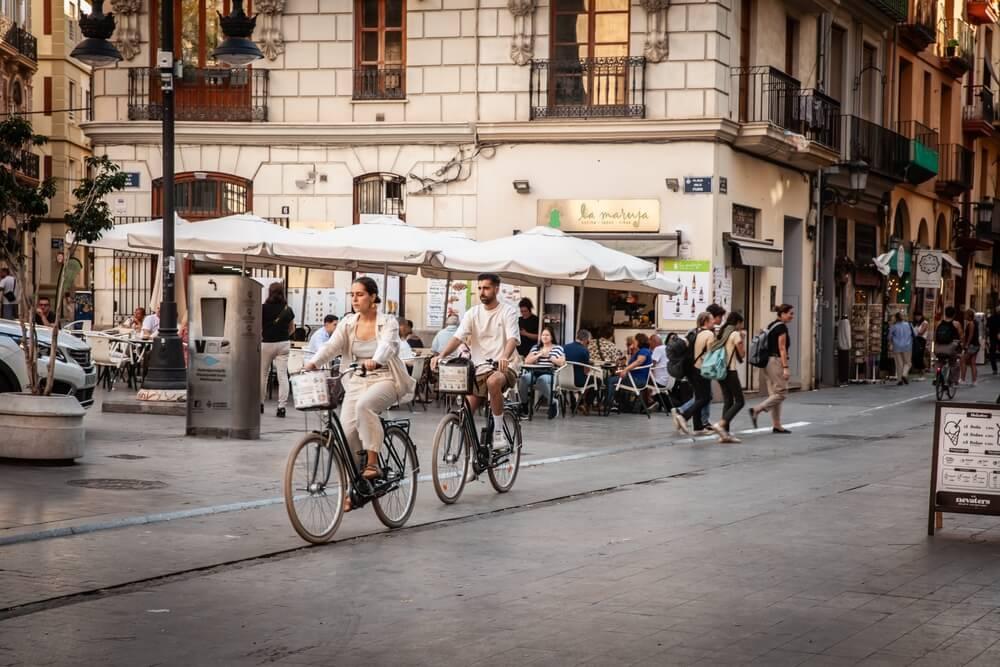
Valencia's flat terrain and extensive network of cycle lanes make cycling a practical option for many everyday journeys. It is convenient for getting to work, shops, educational institutions, parks and beaches, particularly when your destinations are located within a few neighbouring districts.
You do not necessarily need to buy your own bike. The city operates Valenbisi, a municipal bike-sharing scheme with stations across different parts of Valencia. You can pick up a bike near your home and leave it close to your destination, provided there is an available docking space at the station.
This eliminates the need to find somewhere to store a bicycle, buy a lock, arrange repairs yourself or worry about its security. The system offers different subscription options, so it is worth comparing short-term and annual plans before signing up, depending on how often you expect to use it.
However, cycling is not always the most comfortable option. In autumn and winter, the main obstacles are rain, wind and shorter daylight hours. After rainfall, road surfaces can become slippery, while strong gusts of wind make cycling more difficult. In summer, the midday heat can make even a short journey exhausting, especially if you need to arrive at work without having the opportunity to change clothes. That is why it is better not to rely exclusively on cycling for your daily commute. When the weather is unfavourable, you can switch to a bus or the metro instead. This flexibility is precisely what makes combining different modes of transport more practical than relying on just one.
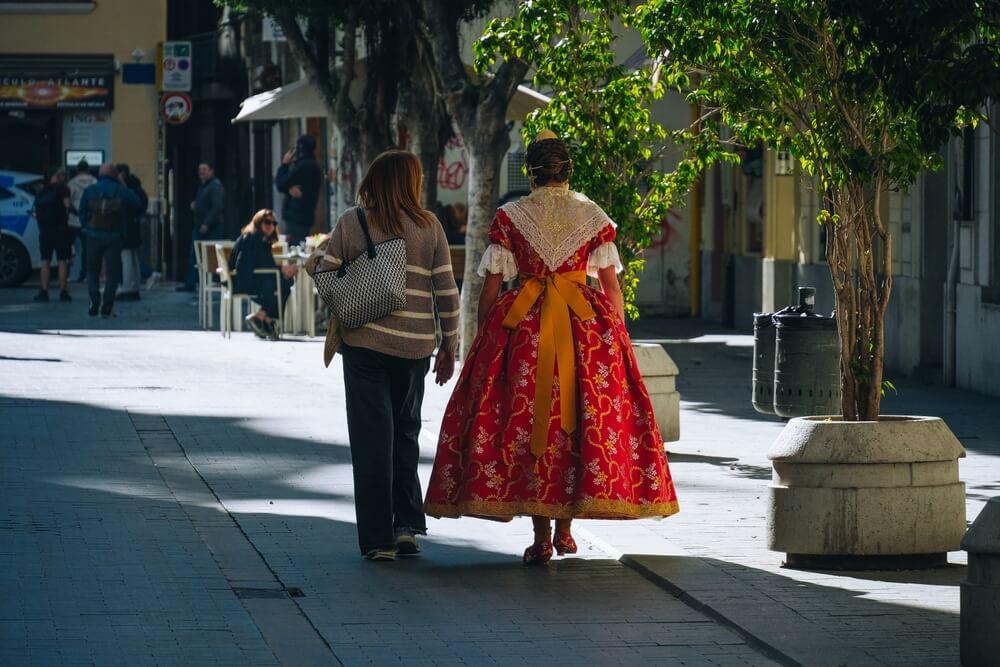
Sometimes, the most economical way to get around is the one you do not have to pay for at all. Valencia's historic centre and surrounding neighbourhoods are relatively compact, so many journeys are easier to make on foot than by waiting for a bus or changing metro lines.
For example, you can explore the popular sights of Ciutat Vella on foot without using up any journeys on your transport pass. Similarly, there is little point in using public transport to travel just one or two stops if walking takes roughly the same amount of time.
For longer journeys, you can combine different modes of transport. One practical option is to take the metro to your destination neighbourhood and walk the remaining distance. Another is to use Valenbisi for a short ride to the nearest metro station and cover the main part of your journey by public transport.
When planning your journeys, it is worth considering not only the distance but also the number of transfers, waiting times and the location of stops. A route involving two transfers is not necessarily better value than a direct bus journey, even if it looks shorter on the map.
How Much Does It Cost to Get Around Without a Car?
The main financial advantage of public transport is that expenses are predictable. If a monthly SUMA pass for Zone A is sufficient for your daily journeys, your transport budget will be €21 per month at the current temporary rate. Even with additional spending on bike hire or occasional taxi rides, this can be considerably cheaper than running a car.
However, fuel costs are not the only expense to consider. Owning a car involves insurance, maintenance, repairs, relevant taxes and parking fees. If you mainly use your vehicle to get around the city, all these expenses may be disproportionate to the number of journeys you actually make.
At the same time, not everyone needs a monthly pass. If your workplace is nearby, you can take care of most everyday errands on foot and only use public transport occasionally, SUMA 10 may be the more economical choice.
Fare zones also need to be taken into account. Zone A covers most of the urban transport network, but journeys to the suburbs or the airport may require a ticket with wider coverage. Before purchasing a pass, it is therefore worth checking not only your commute but also all the routes you use regularly.
How Your Choice of Transport Changes with the Seasons
In Valencia, there is no need to completely change your transport habits when the colder months arrive, but the weather has a noticeable impact on how comfortable different journeys are.
In spring and autumn, cycling is particularly convenient. Temperatures are generally pleasant enough to get around the city without excessive physical effort, and short to medium-distance journeys do not require complicated planning. However, in autumn, it is worth keeping an eye on the rain forecast and having an alternative route in case of bad weather.
In winter, cycling remains a perfectly viable option, but rain, wet road surfaces and wind can make journeys more difficult. It is therefore practical to have public transport as an alternative, especially for regular commutes when arriving at a specific time is important.
In summer, it is better to avoid cycling during the hottest hours of the day. If your route passes through exposed areas without shade, even a short distance can become uncomfortable. In such cases, buses and the metro are more convenient, particularly if you need to arrive at your destination in smart clothes or with luggage.
The most cost-effective strategy is not to rely on just one mode of transport. A monthly SUMA pass can cover regular journeys, cycling can serve as an alternative for short trips in good weather, and walking allows you to save tickets when public transport offers no significant time advantage. Choosing the right transport pass and combining different ways of getting around effectively will help you stay mobile without spending a substantial part of your budget on running a car.


ABOUT Torodoro
FOR BUSINESS
FIND US ON SOCIAL

