


Hidden Damp Signs to Watch for When Choosing a Home


When viewing a flat or house before renting or buying it, people usually focus on the layout, the condition of the furniture, appliances and location. However, one problem can easily go unnoticed during a short visit: excessive moisture. It may be hidden behind freshly painted walls, furniture or decorative panels, only becoming apparent after you move in.
Persistent damp can encourage mould growth, damage finishes and reduce indoor air quality. To avoid unexpected expenses after moving in, it is worth taking the time to check for common warning signs before signing a contract.
Stains on Walls and Ceilings
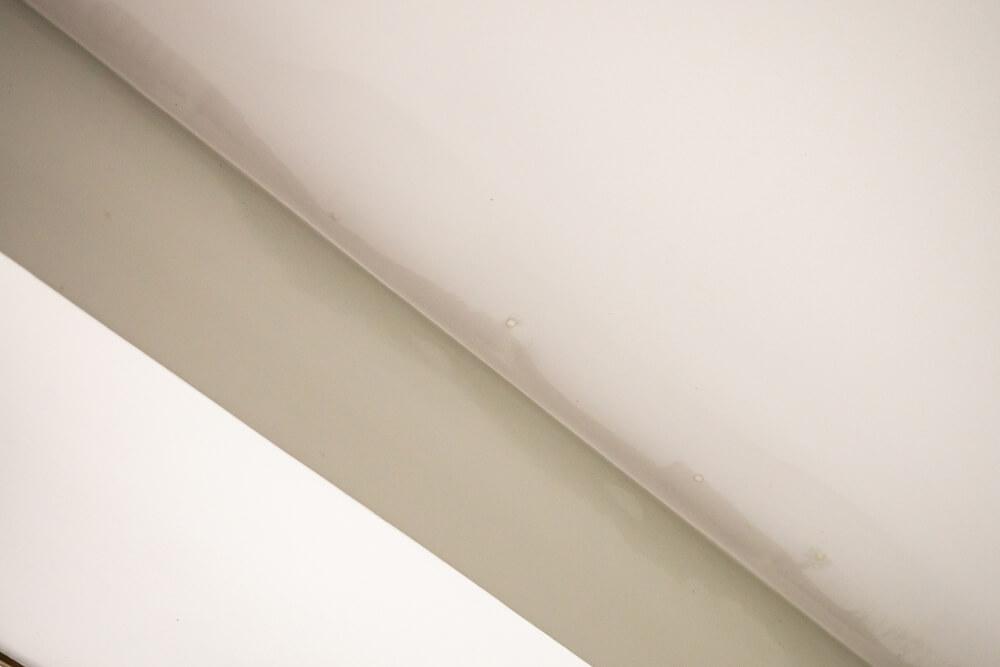
One of the most obvious signs of damp problems is discolouration on surfaces. Look out for yellowish, brown, grey or dark stains, especially if they have irregular edges or resemble concentric circles. These marks may indicate leaking pipes or rainwater entering through the façade or roof.
Start by inspecting the ceiling near external walls, the corners of rooms, areas around windows and surfaces adjoining the bathroom and kitchen. If the property is on the top floor, pay particular attention to the ceiling. On the ground floor, it is worth checking the lower sections of the walls more carefully.
It is equally important to inspect surfaces behind curtains and furniture, if the owner allows you to move them. Signs of condensation or mould may be present in these areas without being visible during a routine viewing.
Musty Smells and Signs of Mould
A persistent musty smell is a reason to inspect a property more carefully, even if the walls look clean. It is particularly telling in bedrooms, built-in wardrobes, storage rooms and other areas with poor air circulation.
Mould does not always appear as large black patches. In its early stages, it may look like small dark, greenish or greyish spots on walls, ceilings, bathroom silicone seals or window frames. Also check the backs of wardrobes, the areas around ventilation openings and corners where furniture sits close against the walls.
Do not confuse a musty smell with the ordinary smell of a room that has been closed up. If it quickly returns after opening the windows or is noticeably stronger in certain rooms, it is worth finding out why.
Condensation on Windows
Water droplets on the inside of the glass, fogged-up windows and damp window sills may indicate problems with ventilation or thermal insulation.
During the viewing, check not only the glazing but also the lower corners of the window frames, the seals and the joints between the windows and the walls. If you notice dark patches, signs of mould or damage to the finishes, this may indicate a prolonged build-up of moisture.
Pay particular attention to windows in winter and during cold weather, when the difference between indoor and outdoor temperatures encourages condensation to form. However, the absence of condensation during a summer viewing does not mean the problem will not appear in winter.
Peeling Paint, Lifting Wallpaper and Damaged Finishes
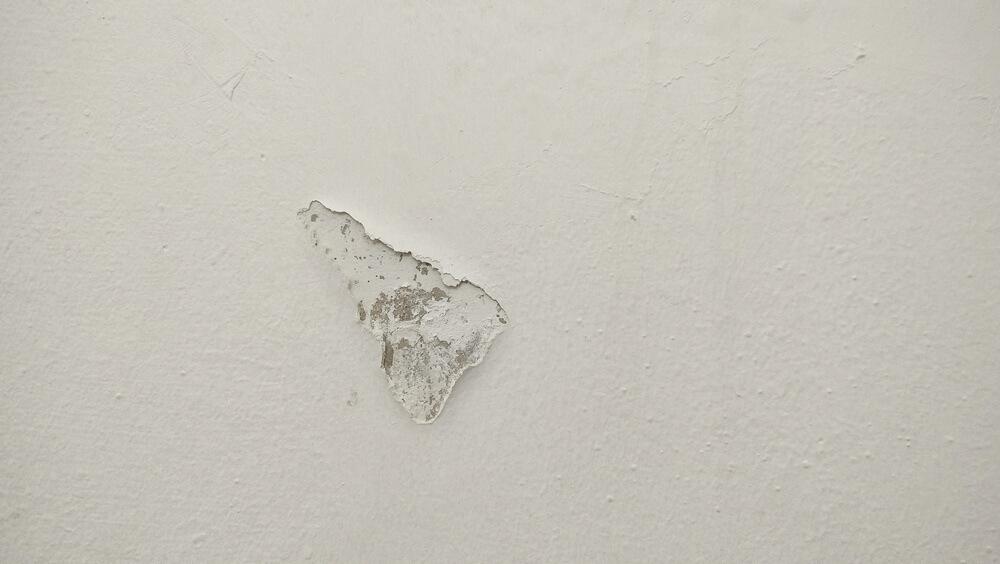
Excessive moisture gradually damages finishing materials. During the viewing, look out for paint that is bubbling or peeling away from the wall, wallpaper with lifting edges, swollen skirting boards and warped wooden elements.
Another characteristic sign is the appearance of whitish crystalline deposits on walls, known as efflorescence. They form when water passes through building materials and leaves mineral salts on the surface. These marks often appear along the lower sections of walls, particularly in ground-floor properties.
Also check for areas that have been painted unusually recently compared with the older finishes around them. Cosmetic renovation alone does not necessarily indicate a hidden problem, but it is worth asking why the work was carried out and whether any leaks or mould were dealt with beforehand.
Where Should You Look for Hidden Sources of Damp?
Not all damp problems originate directly in the living areas. Sometimes, the source lies in the plumbing, the roof or the building's communal areas.
In the bathroom, check the joints between the bath or shower enclosure and the walls, the tile grout, the space beneath the sink and the areas around pipes. In the kitchen, inspect the space under the sink, the water pipe connections and the area behind the washing machine or dishwasher, if accessible.
If the property has a balcony or terrace, look for cracks, check the condition of the flooring, the joints with the walls and the rainwater drainage points. Damaged waterproofing can cause leaks into the rooms below.
For top-floor flats, it is important to find out about the condition of the roof and whether there have been any previous leaks. In buildings with basements, check the communal areas for musty smells, damp walls and signs of water. This will help you understand whether the problem is more extensive and affects the entire building.
How to Tell Condensation from a Leak
The visible signs of different damp problems can look similar, but their causes and the ways to address them are different.
Condensation tends to form on cold surfaces: around windows, in room corners, behind wardrobes and in areas with insufficient ventilation. Dark mould patches may gradually spread, particularly during colder months.
Leaks through the roof, façade or windows tend to leave localised stains with clearly defined edges. Their size may increase after heavy rainfall. If the problem is related to pipes, signs of moisture may appear near plumbing installations or on walls adjoining the bathroom and kitchen.
Rising damp, which travels up through walls from the ground, usually appears along the lower sections of rooms. Efflorescence, peeling paint and damaged skirting boards may also develop.
However, it is not possible to identify the source of a problem reliably based on a single visible symptom. A professional inspection and moisture measurements of building materials may be necessary.
What Questions Should You Ask the Owner or Seller?
If you notice suspicious stains, smells or damage to the finishes during the viewing, do not settle for a vague assurance that the problem has already been fixed. Ask when it first appeared, what caused it and what work was carried out.
Find out whether there have been leaking pipes, flooding, rainwater ingress or instances of mould in the property. If the owner claims that repairs have already been completed, ask whether the source of the moisture was addressed or whether only the finishes were restored. If possible, request repair invoices, photographs taken before the work or documents confirming the repairs carried out.
If you are buying a property, it is also useful to find out whether neighbouring flats, the basement, the roof or the façade have experienced damp problems. If the cause may involve shared building structures, consider contacting the building management or the owners' association.
Before renting, you can ask the landlord to confirm that any defects identified will be repaired before you move in. It is important to put any agreements in writing, especially if they involve plumbing repairs, fixing leaks or repairing wall damage.

If you discover significant stains, signs of prolonged leaks, widespread mould or damage to walls, it is advisable to arrange a professional inspection before signing the contract or handing over any money.
For an inspection, you can contact an architect (arquitecto), a technical architect (arquitecto técnico) or a damp specialist (especialista en humedades). Depending on the nature of the problem, the professional may assess the condition of the building structures and use a moisture meter, thermal imaging camera or other tools to locate the source of the moisture.
Do not agree to a serious problem being dealt with through cosmetic repairs alone without first identifying its cause. A fresh coat of paint may hide stains for a while, but it will not stop a leak or prevent water from penetrating through the wall.
If the seller or landlord refuses to allow an inspection, explain the origin of visible damage or provide documentation confirming completed repairs, it is better not to rush into a decision.
A thorough property inspection before renting or buying gives you the opportunity to identify problems before they become your responsibility and lead to additional expenses.


ABOUT Torodoro
FOR BUSINESS
FIND US ON SOCIAL

