


Damp in a Rental Property What Tenants Should Do and Who Pays for Repairs


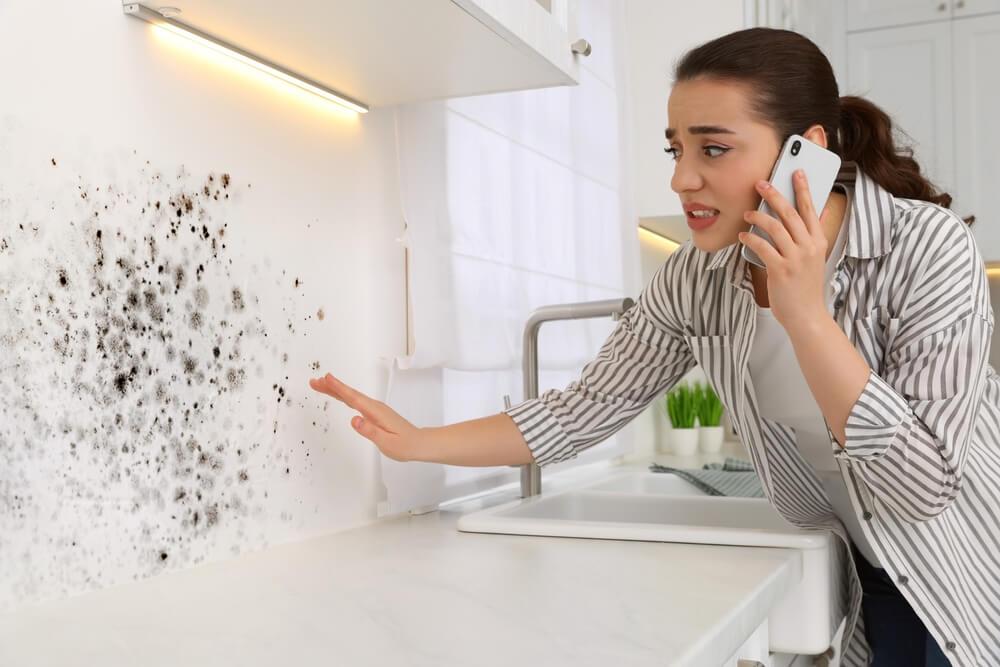
Damp patches on walls, condensation on windows, unpleasant smells or black mould spots are problems tenants can face at any time of year. They are particularly common in older buildings, flats with inadequate ventilation and properties in coastal areas with high humidity. When you notice these signs, it is important not to limit yourself to cleaning the affected areas or trying to paint over the stains yourself. The first step is to identify the cause, document the damage and inform the landlord.
Spanish law sets out landlords' obligations to keep rental properties in a habitable condition. However, responsibility for repairs depends on the source of the damp and the circumstances in which it appeared. Let's look at what tenants should do to protect their rights and avoid having to pay out of pocket to fix a problem they did not cause.

How to Identify the Cause of Damp
Before contacting the landlord, inspect the affected areas and pay attention to the type of damage. Moisture can enter a property through leaking pipes, faulty waterproofing, roof or façade damage, or cracks in the walls. Another common cause is condensation, which forms due to temperature differences, inadequate ventilation and high indoor humidity.
It is important to distinguish between these situations, as they can have different underlying causes and different rules regarding responsibility for resolving the problem.
If stains appear after rainfall, spread from the ceiling or an external wall, or are accompanied by peeling plaster or damaged paint, the roof, façade and external waterproofing should be checked. Damp patches near plumbing installations may indicate leaking pipes or faulty connections. If water regularly collects on windows and dark spots appear on colder sections of walls, condensation may be the cause.
It is not always possible to identify the exact source of damp yourself. Therefore, you should not assume that the problem has resulted from improper use of the property based solely on its visible signs. If necessary, the cause should be identified by a qualified professional using the appropriate equipment.
How to Document the Damage Properly
As soon as you notice damp or mould, take photographs and videos. Record the overall condition of the room, the location of the stains and close-up images of all affected areas. If the problem is getting worse, take new photographs regularly from approximately the same angle so that its progression can be tracked.
It is also worth noting the date when you first noticed the problem, which room is affected and the circumstances in which it appeared. For example, mention whether you noticed the stains after heavy rainfall, whether a musty smell developed or whether the paint started peeling. If a leak has damaged furniture, clothing, appliances or other personal belongings, photograph those items as well.
Keep all the evidence in a separate folder. It may come in handy when communicating with the landlord, dealing with an insurance company or resolving a dispute later on.
If you suspect a hidden leak, do not attempt to dismantle walls, remove coverings or interfere with plumbing installations yourself. Such actions may worsen the damage and make it more difficult to identify the original cause.
How to Inform the Landlord
You should notify the landlord of the problem as soon as possible. This is required under Article 21 of Spain's Urban Tenancy Act (Ley de Arrendamientos Urbanos, LAU). Tenants must also allow the landlord or professionals appointed by them to inspect the property, assess its condition and determine what repairs are necessary.
For the initial notification, you can use email or a messaging app if this is your usual way of communicating with the landlord. It is important to keep a record of the correspondence so that you can prove when you reported the problem and what you said. If the situation is serious, the landlord fails to respond or a dispute has already arisen between the parties, it is advisable to send a formal notification via burofax, a postal service that provides proof of the contents of the message and its delivery.
In your message, explain exactly where the damp has appeared, when you first noticed it, whether the damage is spreading and whether there are signs of mould. Attach photographs and ask the landlord to arrange an inspection and carry out the necessary repairs. If you suspect a leak, mention this separately.
Do not rely solely on a telephone conversation. Even if the landlord promises to look into the problem, having a written record of your notification can help prevent disagreements later about what was agreed.
Who Should Pay for the Repairs: The Landlord or the Tenant?
The main rules governing the division of responsibilities are set out in Article 21 of the LAU. Under this provision, the landlord is responsible for carrying out repairs necessary to keep the property in a habitable condition. This obligation does not entitle them to automatically increase the rent to cover the cost of such work.
If the damp is caused by damage to the roof, façade or waterproofing, leaking water pipes or other structural problems, responsibility for resolving the underlying issue generally lies with the landlord. If the source of the problem is in the building's shared utilities or common structural elements, the comunidad de propietarios (owners' association) may be involved in resolving it, as it is responsible for maintaining shared property. In this case, the landlord may need to contact the building administrator.
Tenants are responsible for damage caused by their own actions or negligent use of the property. For example, if a leak results from improper use of plumbing or damage to equipment caused by the tenant, they may be required to cover the costs. Tenants are also responsible for minor repairs resulting from normal wear and tear during everyday use of the property.
Condensation requires particular attention. The mere presence of mould does not prove that the tenant is responsible. It may result from inadequate ventilation, but it can also indicate insulation problems, thermal bridges, a faulty ventilation system or other building defects. That is why it is important to establish the cause rather than automatically agree to pay for repairs or wall treatments out of your own pocket.

What to Do If the Landlord Does Not Respond
If the landlord ignores your messages or refuses to address the problem, the next step is to send a formal written request. You should describe the damage again, mention the date of your previous notification, attach photographic evidence and ask them to arrange an inspection and repairs. If possible, you can also obtain an assessment from an independent technical specialist to help establish the source of the damp.
Article 21 of the LAU allows tenants to arrange urgent repairs themselves after notifying the landlord in advance, provided the work is necessary to prevent imminent damage or serious inconvenience. In such cases, tenants can request reimbursement of reasonable expenses. However, it is important to inform the landlord beforehand and keep invoices, receipts, photographs and documents confirming the necessity and cost of the work.
Do not unilaterally reduce your rent or stop paying it because the landlord has failed to respond to your complaint. Such actions may create additional legal problems. If the parties cannot reach an agreement, it is advisable to seek advice from a lawyer specialising in housing law.
If the damp or mould is so severe that the property becomes unfit for habitation, tenants may exercise the rights provided under Article 26 of the LAU. Depending on the circumstances, the law allows the tenancy agreement to be suspended for the duration of the necessary repairs or terminated without any obligation to compensate the landlord. However, it is important to have evidence that the property has genuinely become uninhabitable, rather than simply requiring cosmetic repairs.
How to Protect Your Health and Belongings While the Problem Is Being Resolved
While the landlord arranges an inspection and repairs, you should take steps to reduce your exposure to damp and mould. Ventilate rooms regularly, use the ventilation system properly and avoid drying large amounts of laundry indoors without adequate air circulation. If possible, monitor humidity levels using a hygrometer. However, these measures do not replace the need to eliminate the source of the problem.
Do not simply paint over the stains or hide them behind furniture. This will not solve the underlying cause of the damp, and the damage may continue spreading beneath the new coating. If there is extensive mould, it keeps returning quickly or has spread over a large area, a professional inspection and proper removal of the affected materials will be necessary.
Pay particular attention to electrical sockets, wiring and household appliances located near damp walls. If water has reached electrical equipment or there is a risk of a short circuit, do not touch wet appliances and switch off the relevant power supply if you can do so safely. In the event of a serious leak, urgent professional assistance is required.
Remember to protect your personal belongings as well. Move furniture away from affected walls and remove textiles and other items that may absorb moisture. If your belongings have been damaged, keep the evidence and check the terms of your home insurance policy, if you have one. Tenants' insurance may cover certain types of damage to personal belongings, but this depends on the specific policy.

Damp in a rental property is not just a cosmetic issue affecting the appearance of the walls. A prolonged leak can damage finishes, furniture, flooring and electrical installations. Mould also reduces indoor air quality and can have a negative impact on residents' health, particularly those with respiratory conditions or allergies.
The best approach for tenants is to document the damage as soon as possible, notify the landlord in writing and ensure that the cause of the problem is identified. Keep all correspondence, photographs and repair-related documents. This will not only help restore the property to a suitable condition more quickly but also protect you against unjustified demands to pay for damage for which you are not responsible.


ABOUT Torodoro
FOR BUSINESS
FIND US ON SOCIAL

