


How to Choose the Best Electricity Tariff and Avoid Overpaying


Electricity prices can vary significantly depending on the supplier, tariff type, and contract terms. However, the lowest price per kilowatt-hour does not always mean the lowest bill at the end of the month. To find a genuinely cost-effective deal, you need to consider not only the price of electricity but also your consumption habits, fixed charges, and additional service conditions.

Before comparing suppliers' offers, it is worth finding out how much electricity you use and when you use it.
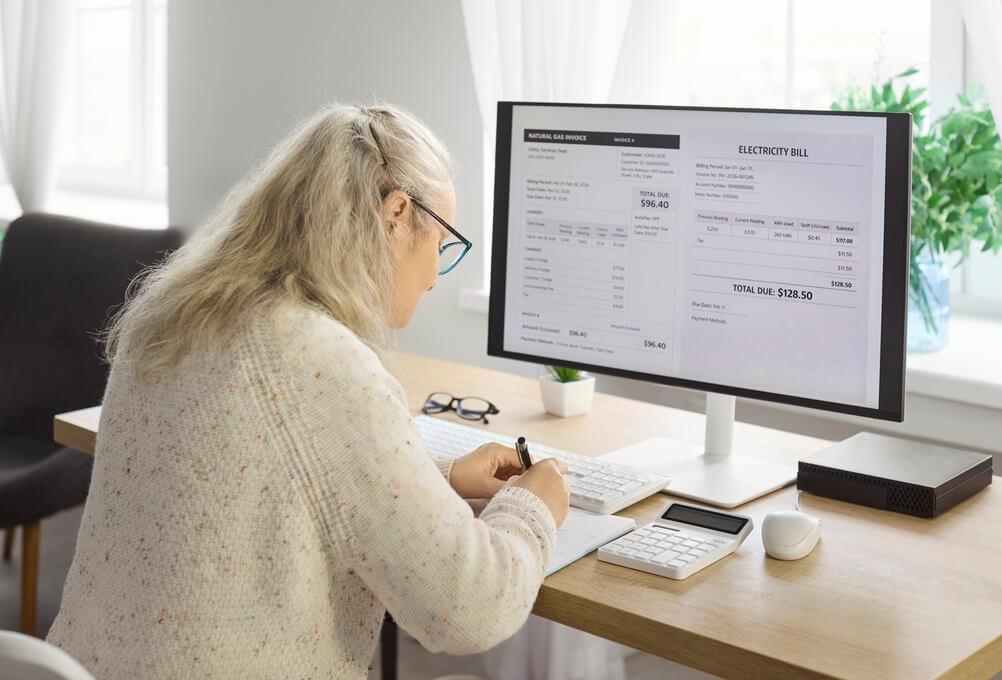
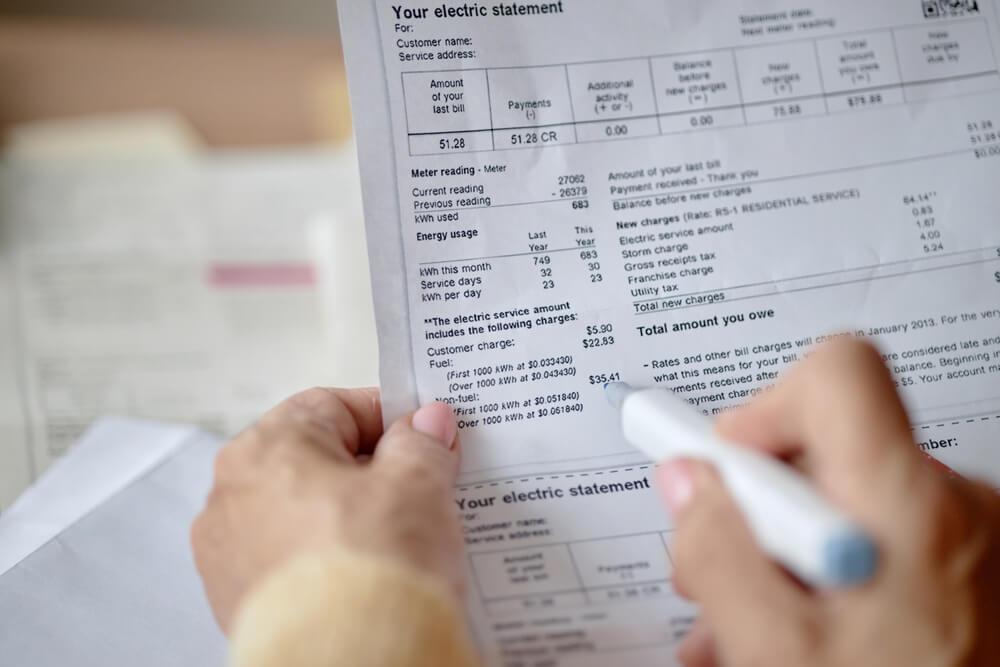
To do this, review your last few electricity bills. Pay attention to your total consumption in kilowatt-hours (kWh), seasonal variations, and periods of peak demand. For example, if you use electric heaters more often in winter and air conditioning in summer, your bills may vary considerably depending on the time of year.
It is also important to consider how your consumption is distributed throughout the day. With time-of-use tariffs, electricity prices vary depending on the time of day. Therefore, you should determine whether you mainly use your major household appliances in the morning, during the day, or at night.
This information will help you assess which offers match your actual needs rather than simply looking attractive in advertisements.
Compare the Types of Tariffs
There are several main electricity pricing models available on the Spanish market. Each has its own features, so your choice will depend on how consistent your consumption habits are and whether you are willing to change them to save money.
Fixed-rate tariff. The price per kilowatt-hour remains unchanged throughout the period specified in the contract. This makes it easier to plan your expenses and means you do not have to worry about daily fluctuations in market prices. This option may be convenient for those who value predictable bills.
Time-of-use tariff. The price of electricity depends on when you use it. There are three time periods: punta (the most expensive), llano (intermediate), and valle (the cheapest). By moving the use of your washing machine, dishwasher, or other energy-intensive appliances to cheaper hours, you can reduce your costs.
Indexed tariff. Electricity prices change according to conditions in the wholesale market and the terms of the specific contract. This option can be cost-effective when market prices are low, but bills also increase when prices rise. This category also includes the regulated PVPC tariff, which has its own pricing mechanism.
When comparing these options, consider not only the potential savings but also how comfortable you will feel using electricity under the conditions of each tariff.
Pay Attention to Both Components of the Cost
When comparing offers, it is important not to focus solely on the price per kilowatt-hour. An electricity bill has two main components that should be assessed separately.
Término de energía (energy charge) is the cost of the electricity you actually consume. It is calculated based on the number of kilowatt-hours used and the corresponding price per unit. This is usually the figure that attracts the most attention when choosing a tariff.
Término de potencia (contracted capacity charge) is the fee for the electrical capacity you have contracted and can use, regardless of your actual consumption. It may differ between the punta and valle periods.
If a tariff offers a low electricity price but has a high contracted capacity charge, the total bill may be higher than expected. Therefore, compare both components and assess their impact on your overall costs based on your own consumption.
Check Additional Charges and Discounts
Some suppliers offer attractive introductory prices but include charges in their contracts that are not always obvious when you first review the offer.
Before signing a contract, check the following: additional services (technical maintenance, electrical equipment insurance, and emergency repairs may be charged separately. If you do not need these services, having them included will only increase your bill); discount conditions (find out how long the special offer lasts, exactly which charges the discount applies to, and how much you will have to pay once the promotional period ends); minimum payments (check whether there are fixed monthly charges or other mandatory costs that do not depend on your consumption); taxes and regulated charges (make sure you are comparing the total cost rather than just the advertised price, which may exclude taxes and other mandatory charges).
It is particularly important to calculate your expenses over the entire contract period. An offer with a discount for the first few months is not necessarily better value than a tariff with a slightly higher but stable price.
Read the Contract Terms Carefully
Even if a tariff seems attractive, you should check several important legal and practical conditions before signing up.
First, find out whether there is an early termination fee. This is particularly relevant if you are planning to switch suppliers in the near future. Also check the contract duration, automatic renewal conditions, and price review procedures. Some suppliers may change electricity prices after the initial promotional period ends. It is important to understand when this happens and what rules apply. You should also find out how to contact customer support, whether online assistance is available, and how clearly the supplier explains the charges on your bills.
These details directly affect how convenient a tariff is to use and help you avoid unpleasant surprises after signing the contract.
Use the Official Comparison Tool
Instead of checking each supplier's offers individually, you can use the dedicated tool provided by the Comisión Nacional de los Mercados y la Competencia (CNMC).
The CNMC's official website offers a free electricity tariff comparison tool. It allows you to compare offers from different suppliers based on your consumption and the terms of your current contract.
To get more accurate results, have your latest electricity bill ready. You will generally need your consumption data, contracted capacity, and the breakdown of electricity use across different time periods.
Do not automatically choose the first offer in the rankings. It is better to check several options, compare their annual costs, and review the contract terms as well.

Before making your final decision, make sure you have compared the total cost of electricity, taken fixed charges into account, checked how long discounts last, and found out whether there are any restrictions on switching suppliers.
It is also important to review available offers periodically. Market conditions change, new tariffs become available, and your electricity needs may evolve. Therefore, even if your current contract was once a good deal, that does not mean it is still the best option today.


ABOUT Torodoro
FOR BUSINESS
FIND US ON SOCIAL

