


5 Coastal Walks in Spain to Enjoy Beyond the Summer Heat


As autumn arrives, Spain’s coastline takes on a different character: beaches gradually empty of summer visitors, the sun becomes less intense in exposed areas, and walks by the sea offer a pleasant alternative to beach holidays. The cooler half of the year is a great time to explore coastal trails, climb to scenic viewpoints and discover places that often go unnoticed during the summer heat.
Spain has plenty of routes running above the sea, along rocky shores and through natural areas with unusual landscapes. The southern and Mediterranean regions are particularly appealing during the colder months, as daytime temperatures often remain comfortable enough for long walks. Even in the north of the country, however, you can find short scenic trails if you choose a dry day without strong winds.
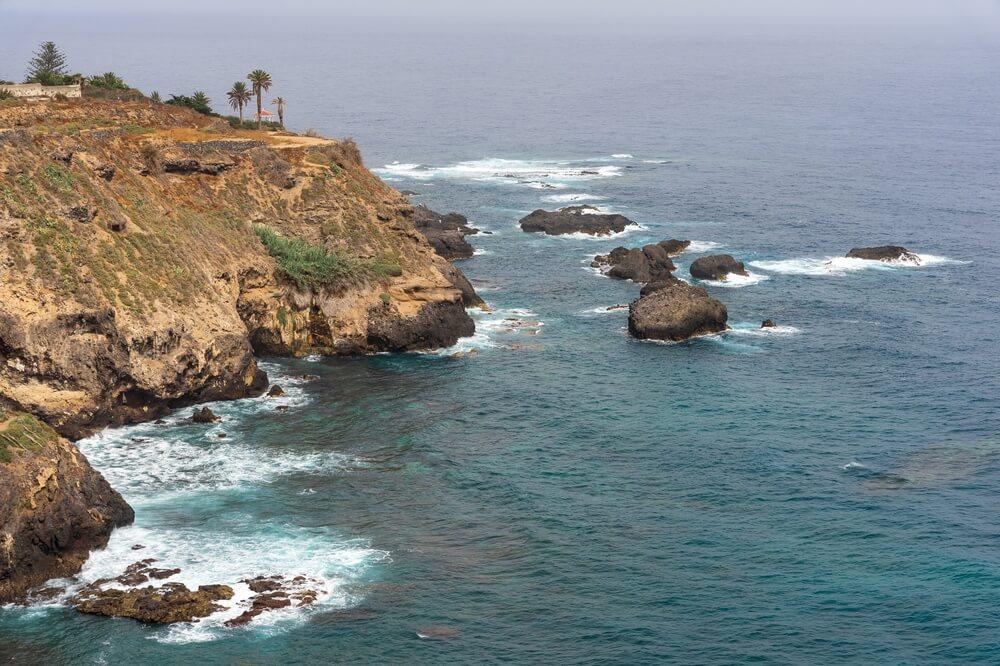
Rambla de Castro – A Walk Along Tenerife’s Lush Coastline
In northern Tenerife, near the town of Los Realejos, lies the Rambla de Castro Protected Landscape. This is one of those coastal areas where you can discover a completely different side of the Canary Islands: instead of dry volcanic slopes, there is lush vegetation, palm groves and green stretches overlooking the ocean.
The route starts near Playa de Los Roques and crosses the protected area before reaching the Mirador de San Pedro viewpoint. It is approximately 4 km long and takes around two hours to complete. Along the way, the trail passes the historic Hacienda de Castro estate, the small San Pedro chapel and the remains of San Fernando Fort.
One of the most interesting stops is the ruins of the old Gordejuela water pumping station. This early 20th-century industrial structure was once part of a water supply system serving local agricultural land. Today, its remains against the ocean backdrop have become one of the area's most recognisable landmarks.
It is worth ending the walk at the Mirador de San Pedro, which offers sweeping views of Tenerife’s northern coastline.
Thanks to the island’s mild climate, Rambla de Castro is suitable for visits throughout the year. Autumn and winter are particularly pleasant for walking without the summer heat, although rain and strong winds are possible along the northern coast. Comfortable footwear is essential, as some sections have uneven surfaces and inclines.
Faro de l'Albir – A Panoramic Coastal Road in Alicante Province
On the Costa Blanca, between Benidorm and Altea, lies the Serra Gelada Natural Park. Its most distinctive feature is its tall limestone cliffs, which rise more than 300 metres above the sea in some places. One of the easiest ways to explore this area is to follow the route to the Faro de l'Albir lighthouse.
The walk starts near the information point and car park in the l'Albir area. From there, an asphalt road gradually climbs along the hillside, revealing views of Altea Bay and the mountain silhouettes along the coast. The full route, there and back, is around 5 km long and usually takes between an hour and a half and two hours.
Along the way, you can take several detours from the main path to discover small coves, including Caleta del Metge, old abandoned ochre mines and the natural Boca de la Ballena cave. Next to the lighthouse itself, there is an interpretation centre dedicated to the history of maritime navigation and the park's natural environment.
This route is particularly convenient during the colder months. Its paved surface, modest elevation gain and relatively short distance make it accessible even to those with little hiking experience. In addition, the Alicante coastline generally enjoys mild weather in autumn and winter.
If you are looking for a more physically demanding walk, Serra Gelada has more challenging trails running along the mountain ridge. They offer even wider panoramic views but require better physical fitness and extra care on exposed sections.
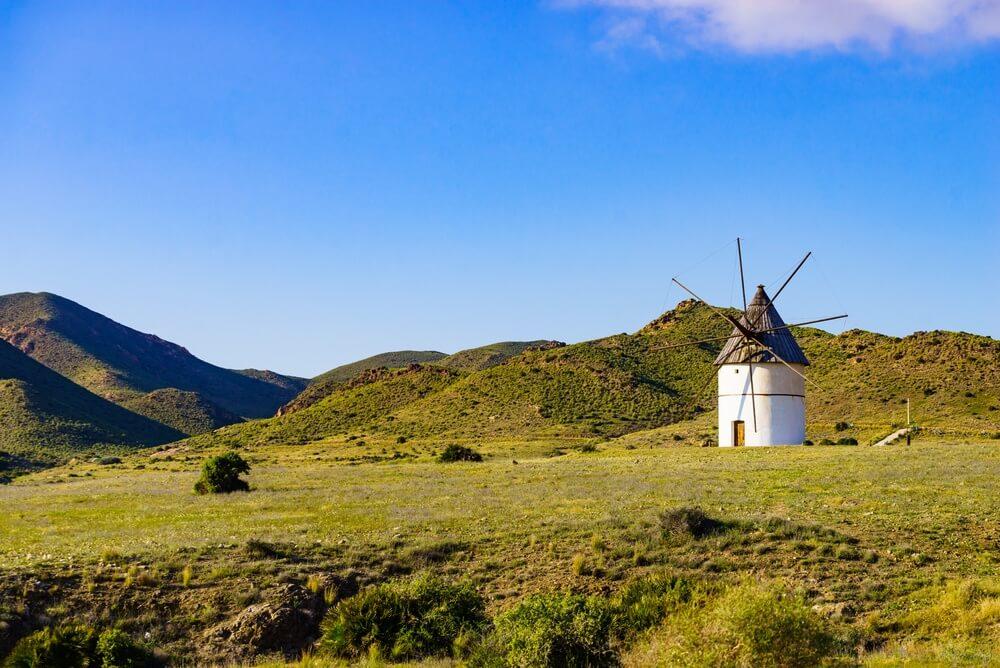
Las Negras – Cala de San Pedro: Almería’s Volcanic Coastline
Cabo de Gata-Níjar Natural Park in Andalusia is particularly appealing for hiking during the cooler months. In summer, its exposed volcanic slopes and almost complete lack of shade make long walks exhausting. In autumn, winter and spring, however, exploring the coastline is much more comfortable.
One interesting route starts in the small coastal settlement of Las Negras and leads to Cala de San Pedro. The trail crosses rocky terrain, gradually climbs above the sea and offers views of volcanic hills, rocky outcrops and secluded coves in the distance.
The distance to Cala de San Pedro is approximately 4 km one way, depending on which section of the trail you follow. Along the route, you can see Cerro Negro and the remains of historic defensive structures near the coast. The cove itself stands out for its relative seclusion, clear waters and natural surroundings that have remained largely untouched by development.
You can walk to the cove and return along the same path. Keep in mind that some sections include rocky ascents and descents, and the ground can be unstable. Ordinary city shoes are therefore not sufficient: it is better to wear trekking trainers or lightweight hiking boots.
For a winter walk, it is best to choose a sunny day and set off during the first half of the day. Even when temperatures are moderate, exposed sections can be windy, while rocks become slippery after rain.
Talaimendi – Algorri: Cliffs and Geological Formations in the Basque Country
Spain’s northern coastline differs from the Mediterranean not only in climate but also in the character of its landscapes. Near the town of Zumaia in the province of Gipuzkoa, you can find one of the country's most fascinating geological sites: flysch cliffs formed by numerous layers of sedimentary rock.
The Talaimendi – Algorri route is a good way to explore this area. It is approximately 4 km long and takes around an hour to complete, excluding stops. The trail starts in Zumaia, climbs Talaimendi hill, runs alongside Itzurun Beach and continues towards Cape Algorri.
The area's main attraction is the unusual structure of its cliffs. Alternating layers of hard and soft rock create a distinctive striped pattern that is clearly visible on the high coastal cliffs. These geological formations preserve information about the Earth's history over the past tens of millions of years. In particular, you can see a layer of rock dating back around 65 million years, associated with the period of the mass extinction of the dinosaurs.
The route is interesting not only for its scenery but also for the opportunity to observe how the ocean gradually reshapes the coastline. At low tide, a wide rocky platform becomes visible at the foot of the cliffs, formed by waves over a long period of time.
However, choosing the right day is particularly important when walking here in winter. The Basque Country receives more rainfall than Mediterranean regions, and coastal trails can become slippery after rain. It is also worth checking the tide times, especially if you plan to descend closer to the water. In strong winds or unfavourable weather conditions, it is better to stick to the designated viewing areas.
Cabopino – A Walk Among the Dunes on Marbella’s Coast
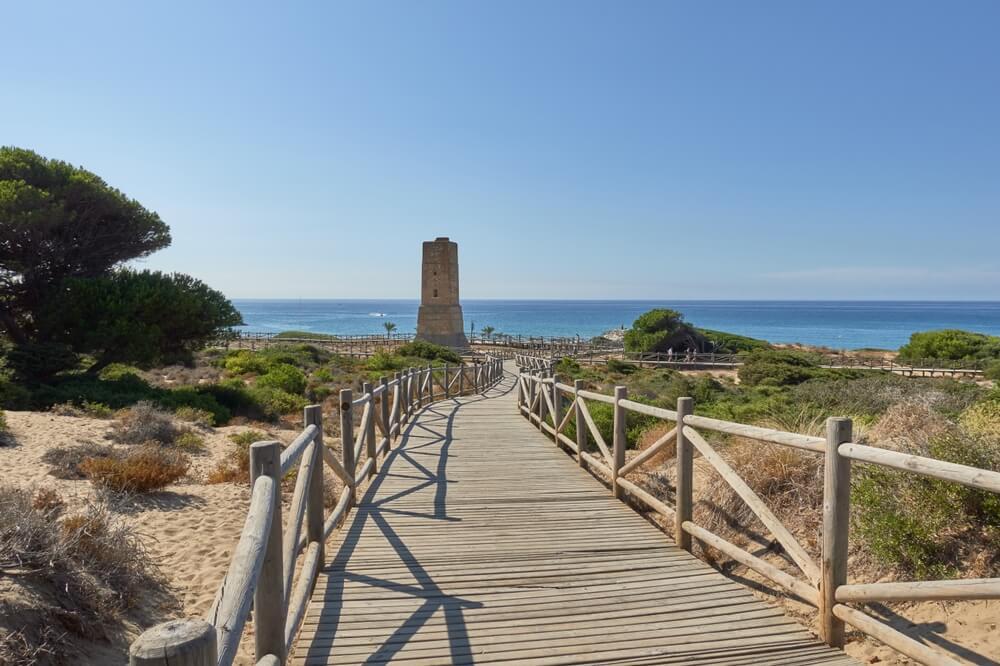
Not every coastal route has to run along towering cliffs. Near Marbella, in the Cabopino area, there is a completely different option for a walk: wooden boardwalks winding through sandy dunes, pine groves and coastal vegetation.
This area is known as Dunas de Artola, a natural site that preserves some of the few relatively well-maintained dune landscapes along the coast of Málaga province. Specially built wooden walkways allow visitors to walk among the sandy hills without damaging the fragile vegetation.
During the walk, you can see how the coastal landscape changes: sandy areas emerge beyond the pine trees, while gaps between the dunes reveal views of the Mediterranean Sea. Nearby stands Torre Ladrones, an old defensive tower that recalls the days when the coastline needed protection from attacks by sea.
The route does not require any special physical preparation and is suitable for a leisurely stroll. You can combine it with a visit to Cabopino Beach or a walk to the local marina.
Thanks to the mild climate of the Costa del Sol, this area is worth visiting even in winter. On a sunny day, you can spend several hours outdoors without having to plan a challenging hike. However, sandy sections may be less comfortable to walk on after strong winds or rain.
Even in southern Spain, winter weather by the sea can be unpredictable. The air temperature along the coast does not always reflect the actual conditions on exposed cliffs: strong winds can significantly lower the perceived temperature, while rocky trails become slippery after rain.
Before setting out, it is worth checking the weather forecast not only for the nearest town but also for the specific coastal area you plan to visit. This is particularly important for routes with exposed sections above cliffs. You should also take daylight hours into account: in December and January, it is better to start your walk earlier so that you can return before dusk.
For most of these routes, comfortable shoes with non-slip soles, light warm clothing and a windproof jacket are all you need. Even in winter, do not forget sunscreen and water, especially when walking in the Canary Islands and Andalusia.
Along rocky coastlines, it is important to stay away from cliff edges and stick to marked trails. After heavy rain or storms, some sections may become dangerous or be temporarily closed.


ABOUT Torodoro
FOR BUSINESS
FIND US ON SOCIAL

